Private endocrinology practice of Dr. med. Dorothea Schlesinger in Berlin Prenzlauer Berg.
Your Partner in Precision Medicine:
Personalized Care for a Vital Life
At Endokrinologie Berlin, we bridge the gap between traditional endocrine care and the future of longevity. Whether you are seeking a high-performance edge or a roadmap back to metabolic health, we optimize your entire organism—from mitochondrial energy to structural integrity.
Do you know what your body is doing today?
At Endokrinologie Berlin, we help you know for sure. Your hormones regulate nearly every major function of your body from energy, metabolism, sleep, mood, weight, bone strength, and long‑term health. Yet most people have little insight into how their endocrine system is actually functioning. Instead, they rely on guesswork, internet advice, or the latest supplement trends.
We offer something different: clarity. Everybody processes things differently; what is best for one person may be completely different for another. Our goal is to prove your biological foundation today, so that small, precise adjustments can support your health, resilience, and longevity tomorrow. Sometimes everything is normal. Sometimes subtle imbalances can be found early, long before they develop into disease.
Either way, knowledge replaces uncertainty. Know how your body really works.


Traditional healthcare often begins once disease has already developed.
At Endokrinologie Berlin, we apply the principles of Medicine 3.0: a proactive approach to health focused on early detection, prevention, and optimization. Using endocrine, metabolic, and genomic analysis, we evaluate how your hormonal and metabolic systems are functioning at an individual level. This allows us to detect subtle patterns and early risk signals long before they develop into clinical disease. By understanding how your body works, you move beyond the goal of simply avoiding illness.
The goal is not simply to live longer, but to remain strong, capable, and vital throughout life.
Did you know that your hormones are central regulators of how you age?
Current biomedical research describes 10 (ten) “Hallmarks of Aging:”
1. Genome instability – DNA damage builds up in cells as people age, which can disrupt normal cell function.
2. Telomere attrition – chromosome ends get shorter over time, making cells less able to divide and repair tissues.
3. Epigenetic alterations – the way genes switch on and off changes with age, affecting hormone production and cell health.
4. Loss of proteostasis – cells become less able to keep proteins properly folded and cleared, leading to a buildup of faulty proteins.
5. Deregulated nutrient sensing – the body’s ability to sense and respond to nutrients (like insulin and glucose) becomes less effective with age.
6. Mitochondrial dysfunction – the cell’s energy factories work less efficiently and produce more harmful by‑products as people get older.
7. Cellular senescence – old or damaged cells stop dividing but do not die, causing inflammation and interfering with tissue function.
8. Stem cell exhaustion – the cells that help repair tissues lose their ability to regenerate, so organs recover less well from injury.
9. Altered intracellular communication – cells send abnormal signals to each other, disrupting hormone balance and immune responses.
10. Chronic inflammation – the body develops persistent, low‑level inflammation that increases risk for endocrine and other age‑related diseases.
Hormonal changes interact with these hallmarks of aging, contributing to conditions such as metabolic disease, osteoporosis, sarcopenia, and increased cardiovascular risk.
At Endokrinologie Berlin, we practice modern endocrinology that focuses not only on treating hormonal diseases but also on preserving metabolic and hormonal resilience to support long‑term health and longevity.


Insulin resistance is not only a metabolic problem – it is one of the main biological accelerators of aging. What is insulin resistance? Insulin is a hormone that helps glucose from food enter your cells, where it is used to produce energy. In insulin resistance, the body’s cells no longer respond properly to insulin.
To compensate, the pancreas produces more insulin, leading to chronically elevated insulin levels and metabolic stress throughout the body.
Insulin resistance affects several key processes involved in aging:
- Mitochondrial function – reducing cellular energy production.
- Inflammation – promoting chronic low‑grade inflammatory activity.
- Cellular repair – impairing mechanisms such as autophagy.
- Cellular senescence – accelerating the accumulation of dysfunctional cells.
- Regeneration – weakening stem cell function and tissue repair.
Together, these mechanisms contribute to cardiovascular disease, metabolic disorders, cognitive decline, and loss of physical resilience with age.
Several hormonal systems play a key role in healthy aging:
1. Insulin/IGF‑1 signaling – the most evolutionarily conserved pathway affecting longevity.
2. Thyroid hormones – modulate mitochondrial function and metabolic flexibility; both overt dysfunction and subtle changes influence aging and longevity.
3. Sex hormones – decline with age, impacting bone, muscle, and cardiovascular health.
4. Adrenal hormones (cortisol and DHEA) – regulate stress adaptation and immune function; chronic dysregulation accelerates cellular aging and age‑related diseases.
5. Growth hormone and its mediator IGF‑1 – decrease with age, influencing body composition, metabolism, and tissue repair.
These hormonal systems interact with nutrient sensing, mitochondrial health, and epigenetic regulation, forming a hormonal foundation for healthy aging and longevity.
At Endokrinologie Berlin, we understand how hormones interact and affect other parts of your body. Therefore, we take a holistic view of all the factors influencing how you live your life and what makes up your quality of life.

We proactively manage your weight, appetite, and lipid profiles to ensure long-term cardiovascular resilience.
At Endokrinologie Berlin, we use genetic testing to identify silent risks decades before they manifest while we optimize your hormonal health and long-term metabolic vitality.
We utilize IHHT oxygen training to revitalize your cellular energy and resolve persistent feelings of fatigue.
Through advanced body composition analysis, we build a strategic reserve to prevent fractures and maintain physical independence.
We leverage Sparkwave technology to enhance sexual health and physical responsiveness for both men and women.
Our treatments address the profound psychological and emotional impacts often triggered by systemic hormonal shifts.
We provide precision diagnostics and specialized care for the thyroid, pituitary, and adrenal glands.
We monitor and optimize the biological markers reflected in your hair, skin, and nail health.
We assess how your nutrition and gut health impact your hormonal balance.
We refine your sleep-wake cycles to maximize the critical restorative phases of your endocrine clock.
We refine your sleep-wake cycles to maximize the critical restorative phases of your endocrine clock.
We refine your sleep-wake cycles to maximize the critical restorative phases of your endocrine clock.
At our Endokrinologie Privatpraxis Berlin, we provide a specialized range of diagnostics designed to optimize your biological future. We move beyond "standard ranges" to analyze the specific hormonal and metabolic markers that define your healthspan and long-term vitality.
Ovulatory disorders account for 25% of female infertility, while hormonal issues contribute to 30-40% of male infertility.

PMOS is the most common cause of ovulatory infertility.
Thyroid disease causes 2-3% of anovulation while pituitary disease causes 13%.
Functional hypothalamic amenorrhea from eating disorders is reversible.
The menopausal transition involves fluctuating hormone levels that cause irregular cycles, hot flashes, and mood changes.
Perimenopause typically lasts 4-8 years with erratic hormone fluctuations.
FSH levels rise while estradiol becomes unpredictable.
Sleep disruption is linked to both vasomotor symptoms and changing hormone levels.
PMOS is characterized by hyperandrogenism, ovulatory dysfunction, and polycystic ovarian morphology, affecting 8-13% of reproductive-age women.
Insulin resistance affects 75-95% of women with PMOS.
Hyperandrogenism in PMOS is the most heritable phenotypic trait.
Each theca cell in polycystic ovaries has increased capacity to synthesize androgens.
Thyroid disorders, PMOS, and other hormonal imbalances can cause hair thinning or loss through effects on hair follicle cycling.
Thyroid hormones directly regulate hair follicle stem cells and growth cycles.
Hyperandrogenism causes male-pattern hair loss through DHT effects on follicles.
Iron deficiency often coexists with thyroid disorders and contributes to hair loss.
From your first assessment to a long-term strategy, we provide a clear, data-driven roadmap for your future self.
Your journey begins at our Endokrinologie Privatpraxis Berlin with a deep clinical assessment to map your unique biological blueprint and hormonal baseline.
We co-create a personalized roadmap focused on your future self, optimizing metabolic health and structural integrity to ensure you remain strong and resilient.
As your dedicated health-partner, we provide ongoing data advocacy and precise adjustments, ensuring your hormonal and metabolic systems operate at their peak.
Moving beyond traditional reactive care toward a proactive partnership for long-term vitality.

We don’t just solve today’s symptoms; we build a multi-decade strategy for your future self.

At our endocrinology practice, we help you clearly understand and practically utilize your individual health data - such as hormone levels and laboratory results.
In this way, you can work together with us to make informed decisions regarding your treatment.

We act early. We believe "normal" is not "optimal" when it comes to preventing chronic disease.

We provide the clinical tools - the control of your health lies with you.
At Endokrinologie Berlin, we combine advanced diagnostics with targeted therapies to understand your biology in detail and intervene as precisely and safely as possible. Our goal is to detect patterns early, personalize treatment and track real change over time rather than guessing.
This is a set of blood tests that give a very detailed picture of how your body is working, including your organs, metabolism, and hormone levels.

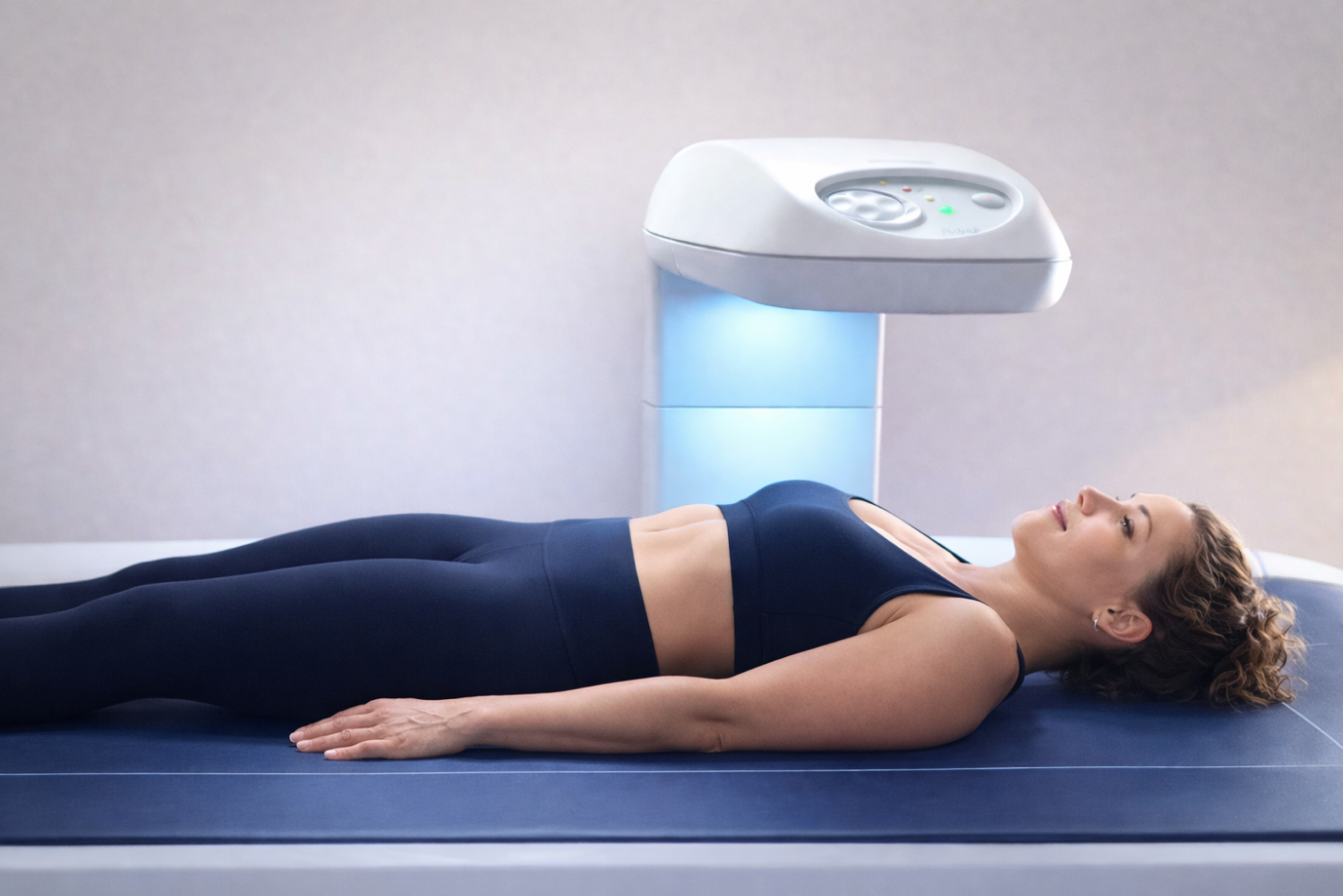
A bone mineral density (BMD) test, also called a DEXA scan, is a quick, painless x-ray that measures how strong your bones are by checking the calcium and minerals in them. This test helps identify if you have weak bones (osteoporosis) before you break a bone, so you can start treatment early to prevent fractures in your hip, spine, or wrist. The test takes only a few minutes. You lie on a padded table while a scanning machine passes over your lower back and hip, and you'll get your results right away. The scan uses very low radiation (much less than a regular x-ray) and is completely painless you don't feel anything during the test.
Why Bone Health Matters for Living Longer and Healthier:
Strong bones are a marker of healthy aging and are directly linked to living longer. Research shows that people with low bone density have a significantly higher risk of dying earlier not just from fractures, but from all causes including heart disease and cancer. In fact, studies following hundreds of thousands of people found that those with osteoporosis had 37-72% higher mortality risk compared to those with normal bone density. The connection works both ways: weak bones signal that your body is aging faster overall, affecting multiple organ systems simultaneously.
Bone health reflects several fundamental hallmarks of aging that scientists use to measure how fast someone is aging biologically. These include cellular senescence (when cells stop functioning properly), stem cell exhaustion (when your body can't repair tissues as well), chronic inflammation, and loss of protein quality control. All processes that affect not just bones but your heart, brain, muscles, and other organs. When bone density declines, it often signals that these aging processes are accelerating throughout your body.
The link between bones and longevity is especially strong because bone health connects to overall physical function and independence. Breaking a bone, particularly a hip or spine fracture, dramatically increases mortality risk within one year after a hip fracture, 1 in 5 women and 1 in 3 men die. Even non-hip fractures increase death risk by 49-81%. Fractures trigger a cascade of problems: immobility leads to muscle loss, blood clots, pneumonia, and loss of independence, which together shorten lifespan. People who break one bone are also at much higher risk of breaking another, which further increases mortality by 77-89%.
Bone health is intimately connected to frailty, one of the most important predictors of healthy aging. Frailty syndrome characterized by weakness, slow walking speed, exhaustion, and unintentional weight loss shares the same biological mechanisms as bone loss, including chronic inflammation, hormonal changes, and loss of muscle mass. Studies show that frail individuals lose bone density faster, and conversely, people with osteoporosis are more likely to become frail. Maintaining strong bones helps preserve muscle strength, balance, and physical function, which are essential for independent living and longevity.
The metabolic connection is equally important. Low bone density is associated with increased cardiovascular death risk people with osteoporosis have 28-85% higher risk of dying from heart disease. This is because bone tissue is metabolically active and communicates with other organs through hormones and signaling molecules. Bones aren't just structural they're part of your body's endocrine system, affecting metabolism, inflammation, and overall health. When bone metabolism is disrupted, it often reflects and contributes to metabolic problems affecting your heart, blood vessels, and other organs.
The good news is that maintaining or improving bone density can extend both lifespan and healthspan (the number of years you live in good health without disability). Research shows that screening for osteoporosis and treating it reduces hip fractures by 20% and other major fractures by 9%, which translates to fewer deaths and more years of independent living. People who maintain their bone density as they age experience lower mortality rates and are more likely to reach very old age (90+) in good health. This makes bone health a powerful marker and modifiable factor for successful aging.
What to Expect During Your DEXA Scan:
The test is simple and quick. You'll lie on your back on a padded table, and in most cases you can keep your regular clothes on. The technician may ask you to keep your legs straight or rest them on a small platform. A scanning arm will pass over your lower spine and hip while another machine passes beneath the table. These work together to create images of your bones. You'll need to stay very still and may be asked to hold your breath briefly while the images are taken. The entire scan takes less than 15 minutes, and most of that time is just positioning. The actual scanning only takes a few minutes.
How the Test Helps You:
The DEXA scan is the gold standard for identifying people at risk for fractures before they happen. Your results come as a "T-score" that compares your bone density to that of a healthy young adult a score of -2.5 or lower means you have osteoporosis. Each point your score drops below normal doubles or triples your fracture risk, so knowing this number helps your doctor decide if you need treatment. The test also helps monitor whether bone-strengthening medications are working if you're already being treated.
Who Should Get Tested:
DEXA scans are recommended for all women age 65 and older, and for younger postmenopausal women who have risk factors like previous fractures, family history of hip fractures, low body weight, smoking, or taking certain medications like steroids. Men age 70 and older should also be screened, as well as younger men with risk factors. If you've already had a fracture from a minor fall, you should definitely get tested regardless of age.
Preparing for Your Test:
There's minimal preparation needed. You don't need to fast or change your diet beforehand. Wear comfortable, loose-fitting clothing without metal zippers or buttons, and remove any jewelry, watches, or metal objects before the scan. Let your doctor know if you might be pregnant, as the test uses x-rays (though very low dose).
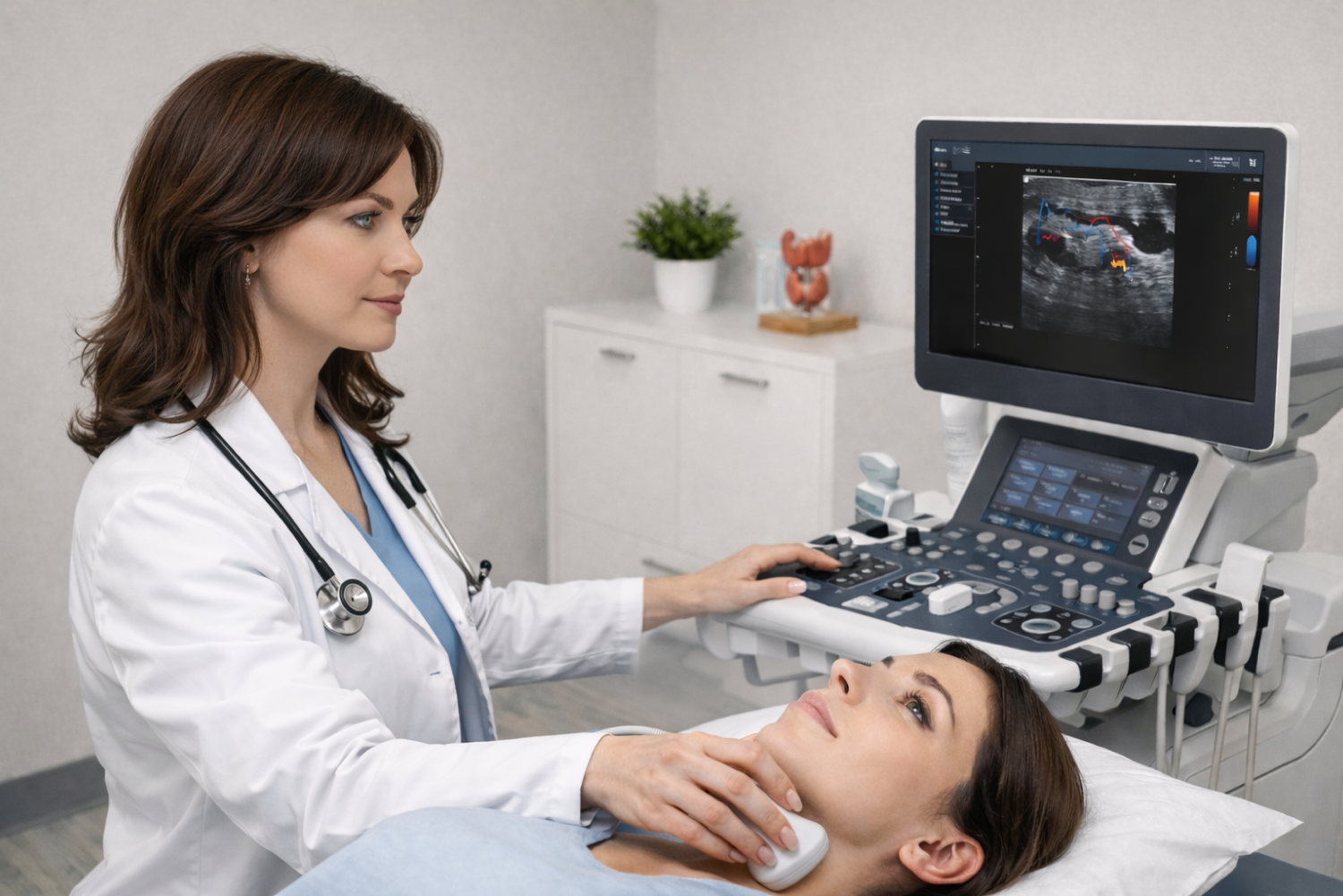
A thyroid ultrasound is a painless, safe test that uses sound waves to create pictures of your thyroid gland. There is no radiation involved.
What can it do?
- check for nodules: it can find lumps in your thyroid, measure their size, and see what they look like inside
- tell if the lump looks worrisome or not: most thyroid nodules are harmless.
- check for thyroid conditions: it can help diagnose conditions like an enlarged thyroid, thyroiditis, or autoimmune thyroid disease.
- look at nearby lymph nodes: the test also checks for lymph nodes in your neck to make sure they look normal.
- monitor over time: if you have a thyroid nodule or have been treated for thyroid cancer, ultrasound can track any changes.
What it cannot do:
Ultrasound cannot tell if your thyroid hormone levels are normal- that requires a blood test.

Measuring body composition helps identify how much muscle, fat, and bone a person has, which changes as people age and affects health and longevity. Tracking these changes can reveal risks for age-related diseases like diabetes, heart disease, osteoporosis, and frailty, since increased fat and decreased muscle are linked to worse metabolic health and physical function. Knowing your body composition is more informative than just measuring weight or BMI, because it shows whether a person is losing muscle or gaining unhealthy fat, especially around the abdomen. At Endokrinologie Berlin this information helps guide personalized interventions, such as nutrition and exercise, to maintain muscle and reduce excess fat, supporting healthy aging and longer life. We adapt body composition assessment method to accurately monitor these changes and improve metabolic health.
What to expect?
Before your test, don't eat or drink for 4 hours, avoid heavy exercise that day, use the bathroom, and remove jewelry and socks. The test takes less than a minute. You simply stand on a scale and hold handles while a tiny, painless electrical signal passes through your body to measure your muscle, fat, and water. You'll get your results immediately on a printout showing how much muscle and fat you have in different parts of your body. The test is safe for most people but cannot be used if you have a pacemaker.
Intermittent hypoxia-hyperoxia therapy (IHHT) is a breathing treatment where you alternate between breathing air with less oxygen than normal (hypoxia) and air with more oxygen than normal (hyperoxia). You breathe through a mask while relaxing in a chair. No needles, no surgery and no pain.
How does it work?
Your body is very sensitive to changes in oxygen levels. When oxygen goes up and down in a controlled way, it "tricks" your cells into thinking they need to adapt and get stronger. This triggers your body's natural repair and protection systems.
Think of it like exercise for your cells. The gentle stress makes them healthier and more resilient.
5 Key Benefits
1. More energy and stamina: The treatment helps your body use oxygen more efficiently, so you feel less tired and can do more physical activity. In one study, patients with long COVID who received this therapy improved their walking distance nearly 3 times more than those who did not.
2. Better heart health: It can lower blood pressure, improve blood flow, and help your heart pump more effectively. Studies in patients with heart disease showed improved exercise ability and reduced chest pain.
3. Sharper thinking: The therapy may improve brain function by increasing blood flow to the brain and stimulating the growth of new blood vessels. Older adults showed improvements in attention and mental processing speed.
4. Faster recovery: It helps your body heal and recover, whether from illness, surgery, or fatigue. It reduces inflammation and activates your body's natural repair processes.
5. Anti-aging effects: Research suggests it may help slow some aspects of aging by lengthening telomeres (the protective caps on your chromosomes) and reducing old, worn-out cells in your body.
What to Expect:
- Sessions typically last 30–40 minutes
- Usually done 2 times per week for several weeks
- You simply breathe through a mask while sitting or lying down
- It is safe and well-tolerated with minimal side effects reported.


Shockwave therapy is a noninvasive treatment that uses high-energy sound waves (not electrical shocks) delivered through the skin to help heal injured tissues. It is painless or causes only mild discomfort, requires no surgery.
How does it work?
The sound waves create gentle "mechanical" stimulation in your tissues. This triggers your body's natural healing response by:
- Increasing blood flow: New blood vessels form in the treated area, bringing more oxygen and nutrients.
- Reducing inflammation: The therapy helps calm down chronic inflammation that causes pain.
- Stimulating tissue repair: It activates cells that rebuild damaged tendons, muscles, and other tissues.
- Nerve regeneration: It may help repair damaged nerves.
Sexual Health and Erectile Dysfunction
Sex span is the portion of your life where you will have the ability and the desire to engage in satisfying sexual activity.
Sexual health is an excellent barometer of overall health both in men and women. Sexual dysfunction is not a disease, but rather a symptom of other underlying conditions.Low-intensity shockwave therapy (LiSWT) is used to treat erectile dysfunction (ED) by improving blood flow to the penis.
How it helps: The sound waves stimulate the growth of new blood vessels and improve circulation in the penis, which is essential for erections.
Who benefits most: Men with mild-to-moderate ED tend to see the best results. It may also help men who do not respond well to pills like Viagra or Cialis.
What the research shows: Studies show that shockwave therapy can improve erection quality and hardness. In one study, 79% of men with moderate ED achieved meaningful improvement after treatment. A large review found improvements in erectile function scores, though the effect may be modest for some men.
Safety: It is very safe with minimal side effects reported.
Peyronie's disease (curved penis with scar tissue): Shockwave therapy can help reduce penile pain in men with Peyronie's disease.
Fascia and Muscle Problems (Myofascial Pain Syndrome)
Fascia is the stretchy tissue that wraps around all your muscles and organs, helping everything move smoothly and stay connected. When fascia becomes stiff or damaged from aging, injury, or lack of movement it triggers chronic inflammation that can spread throughout your body and cause widespread pain and stiffness. This ongoing inflammation can disrupt your hormones by interfering with the signals between your brain and hormone-producing glands, leading to fatigue, mood changes, and metabolic problems. Your fascia also has hormone receptors, meaning changes in estrogen and other hormones (like during menopause) can make your fascia stiffer and more prone to problems. The good news is that keeping your fascia healthy through movement, stretching, and therapies like massage or shockwave treatment can help reduce inflammation and support better hormone balance.
Shockwave therapy is effective for myofascial pain syndrome—a condition where tight, painful "knots" (trigger points) form in muscles, often in the neck, shoulders, and back.
How it helps:
The sound waves relax tight muscle bands, increase blood flow, and reduce pain sensitivity at trigger points.
What the research shows: Studies show shockwave therapy significantly reduces pain and improves function in patients with myofascial pain, especially in the trapezius (upper back/shoulder) muscles.
What are the benefits?
- Noninvasive: No cuts, needles, or surgery.
- Safe: Complications are rare.
- Can be repeated: If needed, treatments can be done again.
- May avoid surgery: Often used when other treatments have not worked.
What to expect:
Treatment usually involves several sessions (often 3–6), each lasting about 15–20 minutes. Some patients feel improvement within a few weeks, while full benefits may take 2–3 months.
At Endokrinologie Berlin, we collaborate with a leading international laboratory specializing in advanced genetic diagnostics. Using high-precision genomic analysis, this testing can reveal inherited conditions or risk patterns long before symptoms appear.What can we learn?
Genetic testing can help you understand your personal risk for diseases that affect how long and how well you live, like heart disease, diabetes, cancer and dementia so you can act early to prevent them. Think of your genes as a "blueprint" that you're born with. They don't change but knowing what's in your blueprint helps you make smarter choices about your health for the rest of your life. The good news is that even if your genes show higher risk, a healthy lifestyle (not smoking, staying active, eating well, and maintaining a healthy weight) can cut your risk of disease by up to 50% and people with high genetic risk may benefit the most from these changes.Genetic testing can also identify specific conditions like high cholesterol or cancer risk that run in families, often before any symptoms appear, allowing for earlier screening and treatment that can save lives.Your genes are not your destiny, they simply tell you where to focus your attention, so you can take the right steps to stay healthy longer.
How Genetic Testing Works for Longevity and Healthy Aging:
Scientists have identified certain genes that are more common in people who live to be 90 or 100 years old, such as APOE and FOXO3A. These "longevity genes" affect how your body handles inflammation, repairs damage, and processes cholesterol—all things that influence how fast you age. Genetic testing can look at hundreds or thousands of small genetic variations and combine them into a "polygenic risk score" that estimates your overall risk for specific diseases like heart disease, diabetes, or certain cancers. People with high genetic risk scores reach the same disease risk level 8-11 years earlier than average, which means they may benefit from starting screening or prevention earlier.
What Genetic Testing Can Tell You:
- Heart disease risk: Genetic testing can identify if you have inherited high cholesterol (familial hypercholesterolemia) or other factors that increase your risk of heart attacks, often before any symptoms appear.
- Cancer risk: Testing can find inherited gene changes (like BRCA for breast/ovarian cancer or Lynch syndrome for colon cancer) that significantly increase your cancer risk, allowing for earlier and more frequent screening.
- Diabetes risk: Certain gene variants affect how your body processes sugar and responds to diet and exercise, helping predict your risk of developing type 2 diabetes.
- How you respond to lifestyle changes: Some genetic variants affect how well you lose weight with diet and exercise, or how much certain foods affect your blood sugar and cholesterol.
Why This Matters for Living Longer and Healthier:
Research shows that appropriate screening and treatment based on genetic risk could reduce premature deaths by about 23% in high-risk individuals. For example, if genetic testing shows you have high risk for colon cancer, starting colonoscopies earlier could catch problems when they're still treatable. Similarly, knowing you have genetic risk for heart disease might lead your doctor to recommend cholesterol-lowering medication sooner, preventing a heart attack years down the road.
The most important finding from research is that lifestyle changes work for everyone, regardless of genetic risk and may work even better for those with higher genetic risk. In studies, people with the highest genetic risk for diabetes who adopted a healthy lifestyle (healthy eating, regular exercise, maintaining a healthy weight) reduced their diabetes risk by nearly 50%. This means genetic testing doesn't just tell you what might go wrong, it empowers you to take control and change your future health.
What Genetic Testing Cannot Do:
It's important to understand that genes are only part of the picture. They account for about 25% of how long you live, while lifestyle and environment account for the rest. A genetic test cannot tell you exactly when or if you will get a disease. It only estimates your likelihood compared to others. Also, genetic testing is still evolving, and not all results are equally reliable or actionable. At Endokrinologie Berlin can help you understand which tests are most useful for your situation and what to do with the results.
Explore our precision diagnostic pillars and start building a multi-decade strategy for your future self.

As a specialized private clinic, we provide a highly personalized level of care that falls outside the standard public insurance framework; please note that while we appreciate all inquiries, our current capacity is reserved exclusively for privately insured patients at this time.
To ensure a seamless experience, you may schedule your consultations via our 24/7 online booking system on our website; should your plans change, we kindly ask for a 48 hour notice of any cancellations, while all follow-up prescriptions can be easily requested through our contact form on the website.